
We hear a lot about the wonders of AI. How it’s going to revolutionize everything from healthcare to transportation. But we don’t hear much about the people who make it all possible. The invisible workforce of content moderators and data annotators in places like Kenya and Uganda, paid around a dollar an hour to look at the worst the internet has to offer.
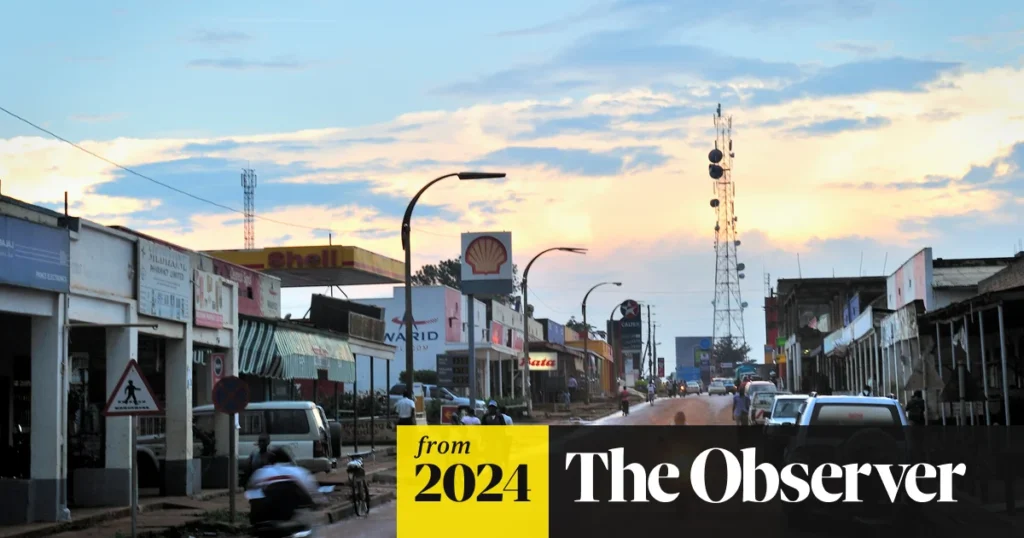
The Guardian ran a piece recently that stuck with me. It’s a year old now, but the stories haven’t aged. They’re as relevant today as they were then. The piece profiles workers at outsourcing centers in Nairobi and Gulu, Uganda. People like Mercy, a Meta content moderator who one day found herself watching a video of a fatal car crash on her screen. She had to determine if it violated guidelines. As she leaned in, she recognized the face. It was her grandfather.
She ran out crying. Her supervisor comforted her, then reminded her she’d need to finish her shift to hit her targets. She could have the next day off. That’s the level of care we’re talking about.
I’ve been in tech long enough to know that the glossy surface of AI products hides a lot of messy, exploitative labor. But this is on another level. These workers are expected to process 500 to 1,000 “tickets” a day—each one a piece of content that could be graphic violence, child exploitation, or suicide footage. They have 55 seconds per ticket. And they have to watch the entire video because Meta’s policies require finding the highest violation. You can’t just spot bullying and stop; you have to check if it escalates to incitement to violence.
One moderator told the researchers: “The most disturbing thing was not just the violence, it was the sexually explicit and disturbing content.” Another said they witness suicides, torture, and rape “almost every day.” The normalization of this is terrifying. “You normalise things that are just not normal.”
The psychological toll is devastating. Workers reported collapsed marriages, suicide attempts, and a permanent change in who they are. One said, “Most of us are damaged psychologically, some have attempted suicide… some of our spouses have left us and we can’t get them back.”
And what do they get? About a dollar an hour. The company policies are draconian. If you run from your desk after seeing something horrific, you get a productivity violation because you didn’t enter the “idle” or “bathroom break” code. The “wellness counselor” is a colleague with no psychology training. You get 30 minutes a week to see them.
This isn’t some niche problem. This is the backbone of every major AI system and social media platform. Every time you use a chatbot, every time Facebook flags a post, every time an AI model learns to recognize a cat or a hateful comment, there’s a human somewhere in the global south who tagged that data or moderated that content. And they’re paid poverty wages for the privilege of being traumatized.

The companies running these centers—often subcontractors for Big Tech—argue they’re providing jobs in regions with high unemployment. And yes, some workers are grateful for the income. But gratitude doesn’t justify exploitation. The working conditions described in the Guardian piece are straight out of a dystopian novel. Workers are monitored for every keystroke. They’re pressured to hit targets that are nearly impossible. They’re exposed to trauma with no real support.
I’ve read similar reports from the Philippines, India, and other outsourcing hubs. This is a global pattern. The tech industry has outsourced its moral responsibility along with the labor. They don’t have to see what their moderators see. They don’t have to pay a living wage because there’s always someone else willing to do it for less.
The irony isn’t lost on me. We call it “artificial” intelligence, but it’s built on very real human suffering. Every time a model gets better at detecting hate speech, it’s because someone in Nairobi watched a thousand videos of hate speech and tagged them. Every time a self-driving car learns to recognize a pedestrian, it’s because someone in Uganda labeled thousands of images of people walking.
We need to talk about this more. Not as a sad footnote, but as a central ethical problem of the AI industry. The companies making billions from AI need to pay a fair wage, provide real mental health support, and limit exposure to traumatic content. They can afford it. They just choose not to.
Mercy’s story is one of thousands. She’s not an exception. She’s the rule. And until we start demanding better, the AI revolution will continue to be built on a foundation of exploitation and trauma.
Comments (0)
Login Log in to comment.
Be the first to comment!