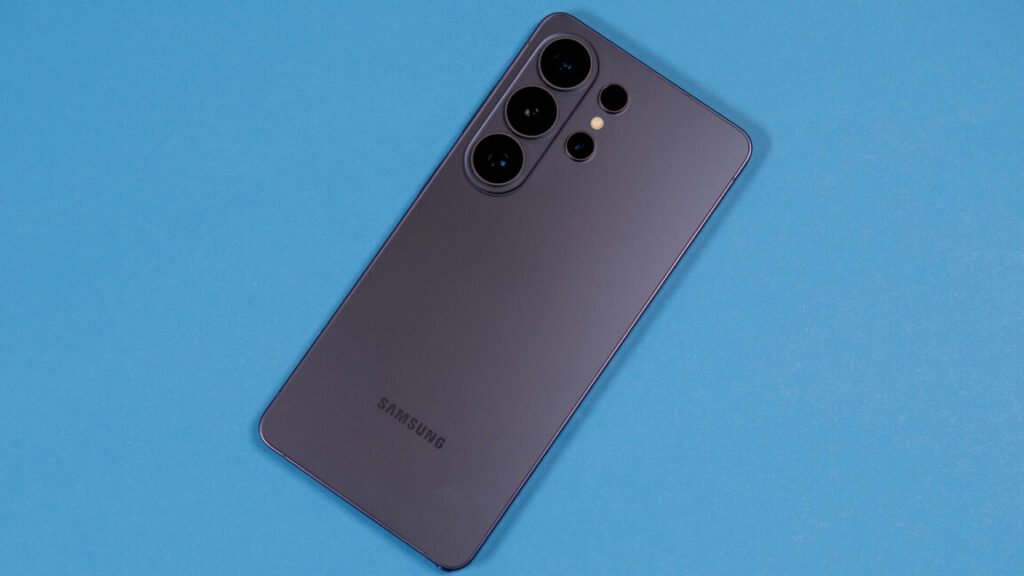

Selling phones used to be a license to print money. Everyone wanted one, every new model was a meaningful upgrade, and margins were fat. Those days are long gone. Smartphones are mature products now, and most manufacturers have either folded or are hanging on by their fingernails. Samsung is one of the big survivors, but even they might be heading into uncharted territory: a net loss on smartphones for the first time in the company’s history.
According to a report from Korean outlet Money Today, Samsung MX (mobile experience) head TM Roh has warned leadership that 2026 could be the year the streak breaks. And it’s not because of weak sales—apparently the Galaxy S26 lineup is doing just fine. The culprit is something far less sexy: the skyrocketing cost of DRAM and NAND.
Memory components have been squeezed for a while now, affecting everything from consumer laptops to enterprise servers. But the real driver this time is AI. LPDDR5x, the kind of memory found in most flagship phones, is suddenly in huge demand for AI hardware. Nvidia’s upcoming Vera AI CPU, which replaces Grace later this year, can pack up to 1.5 TB of LPDDR5x per chip. A single rack-scale AI platform with 36 Vera CPUs and 72 Rubin GPUs will consume enough RAM for roughly 4,600 Galaxy S26 Ultra devices (assuming 12GB each). That’s an insane amount of memory going into servers instead of phones.
Samsung has weathered economic downturns, supply chain chaos during the pandemic, and even the Note 7 disaster. But this is different. The company is both a phone maker and a memory manufacturer, so you’d think they’d have some natural hedging. But the internal tension is real: the memory division wants to sell to the highest bidder, and right now that’s Nvidia and every hyperscaler building AI infrastructure. The mobile division gets squeezed.
I’ve seen this pattern before—component shortages that ripple through consumer hardware because enterprise and AI demand eats everything. But this feels more structural. AI isn’t a fad, and the memory hunger isn’t going away. If Samsung can’t secure enough DRAM and NAND at reasonable prices for its own phones, they’ll either have to raise prices (good luck in a stagnant market) or eat the margin loss.
Roh’s warning suggests the latter is more likely. And honestly, I’m not sure there’s an easy fix. Samsung could prioritize its phone business internally, but that would mean leaving money on the table from AI customers. Shareholders wouldn’t love that. The other option is to invest in more memory fabs, but that takes years and billions of dollars.
So here we are: the company that basically defined the modern smartphone might lose money on them for the first time, not because of competition from Apple or Chinese brands, but because AI servers are hoarding all the RAM. It’s a strange twist, but it’s the reality of 2026.
Comments (0)
Login Log in to comment.
Be the first to comment!