
In the first 24 hours of the assault on Iran, the US military hit more than 1,000 targets. That’s nearly double the scale of the “shock and awe” campaign against Iraq back in 2003. The difference isn’t more bombs or better pilots. It’s AI.
The system that made this possible is the Maven Smart System, the direct descendant of a project that started as a clumsy experiment in 2017. Back then, the military wanted to apply computer vision to drone footage. They hired Google to do it. And then the shit hit the fan.
Google employees revolted. Thousands signed petitions demanding the company drop the contract. The project became a lightning rod for debates about ethics, killer robots, and the moral line no tech company should cross. Google eventually backed out, but the military didn’t stop. They just took Maven in-house.
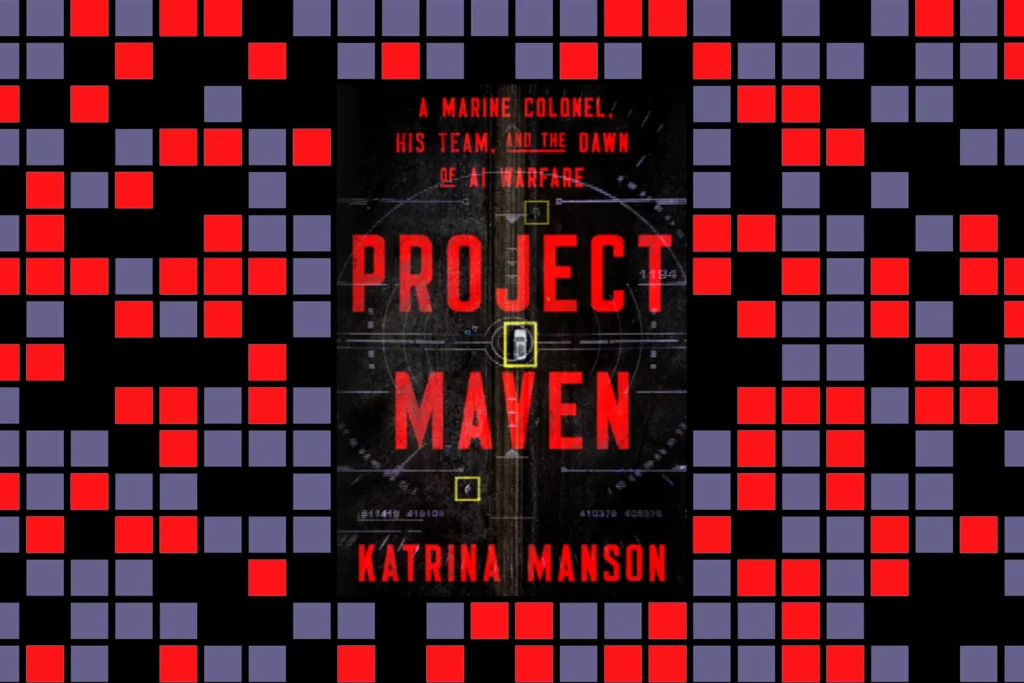
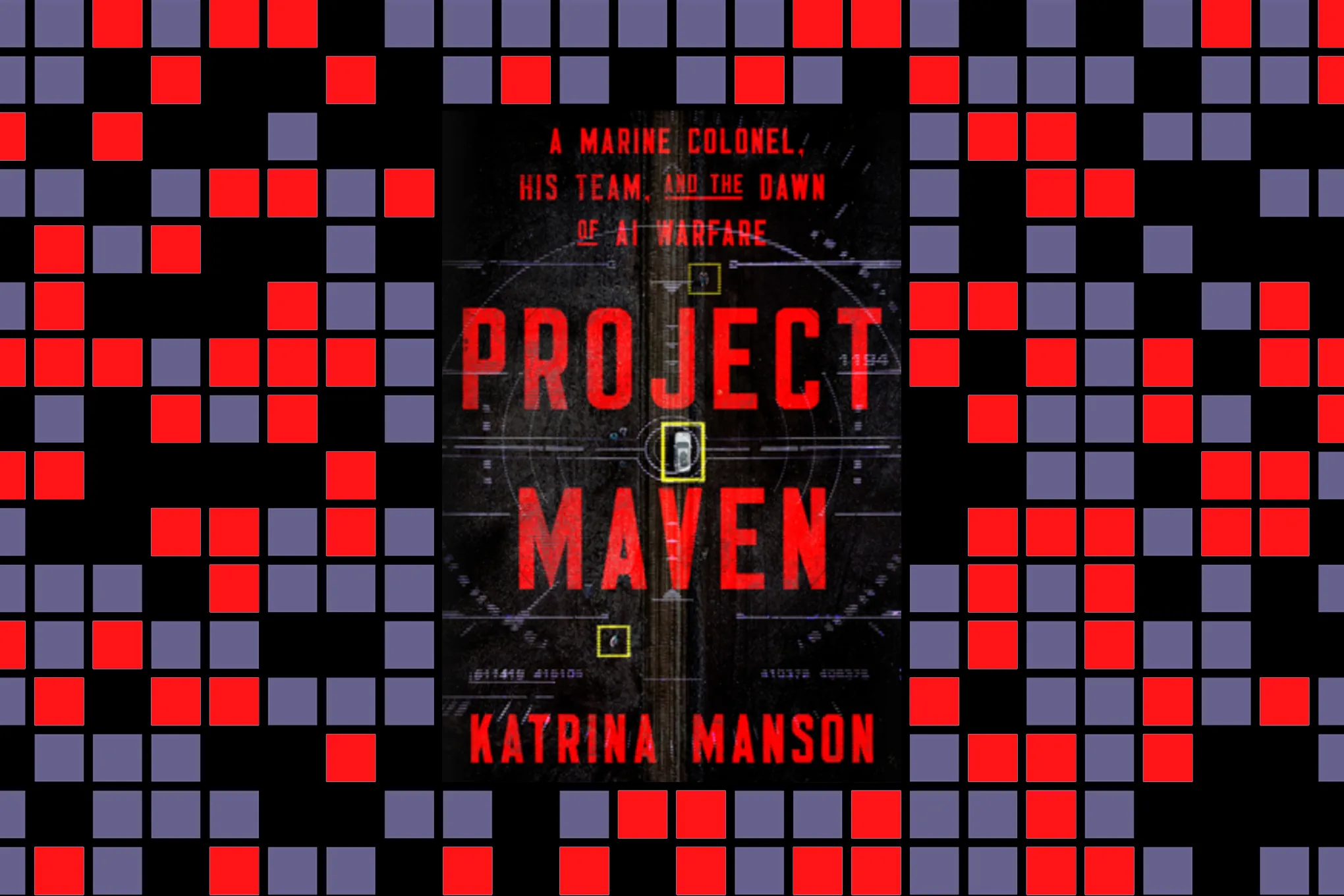
Journalist Katrina Manson has written a new book, Project Maven: A Marine Colonel, His Team, and the Dawn of AI Warfare, that traces the whole arc. From the early days of a tiny team working out of a windowless room to the full-blown operational system that helped plan the opening hours of a war.
What strikes me is how fast this happened. Eight years. That’s nothing for military procurement. Usually it takes a decade just to agree on the specs for a new radio. Maven went from a PowerPoint slide to a core targeting tool in less time than it takes the Pentagon to buy toilet paper.
The system works by ingesting massive amounts of surveillance data – satellite imagery, drone feeds, signals intelligence – and flagging potential targets. Human analysts still make the final call, but the machine does the sorting. In a conflict where you’re hitting a thousand targets in a day, that’s the only way to keep up.
Manson’s reporting digs into the culture clash between Silicon Valley engineers and Marine Corps officers. The engineers wanted to build a tool that augments human decision-making. The officers wanted something that just worked and didn’t get in the way. Both sides drove each other crazy.
There’s also the uncomfortable question of mistakes. AI targeting systems have a well-documented problem with false positives. In a war zone, a false positive means dead civilians. The military claims Maven has a high accuracy rate, but independent verification is basically impossible. You’re not getting access to that data unless you have a security clearance and a good reason.
What I find most interesting is how the military’s attitude toward AI has flipped. In 2017, they were cautious, almost apologetic. By 2026, they’re openly advertising Maven as a force multiplier. The protests at Google feel like ancient history now. The tech industry’s hand-wringing about military contracts hasn’t stopped the flow of talent or tools. It just made the process less public.
Manson’s book doesn’t offer easy answers, and I respect that. This isn’t a story about good guys and bad guys. It’s about a technology that works, a bureaucracy that adapted faster than anyone expected, and a moral landscape that’s still being mapped.
The Iran campaign was a proof point. The military now knows AI can deliver at scale. The question nobody has answered is what happens when it makes a catastrophic mistake. We’ll find out eventually.
Comments (0)
Login Log in to comment.
Be the first to comment!