
Palantir is having a moment. The Peter Thiel-founded data analysis firm has been around for two decades, mostly known for its work with intelligence agencies and controversial immigration enforcement contracts. But this week, they showed off something new that has investors and potential customers genuinely excited.
Shares jumped as much as 21% early Tuesday after the company previewed its AIP platform — Artificial Intelligence Platform, because of course it is. The first version rolls out to some customers this month.
What is AIP? It’s essentially a way for military clients to hook into large language models — the same kind of tech powering ChatGPT — and use them for battlefield intelligence and decision-making. The demo video shows the platform analyzing intel on enemy targets, flagging potentially hostile situations, proposing battle plans, and sending those plans to commanding officers for approval.
Palantir is leaning hard into the “safe and secure” angle. The platform lets clients control exactly what data the models can access and what actions they can take on behalf of humans. Given the stakes involved in military targeting decisions, this isn’t just marketing fluff — it’s a genuine requirement.
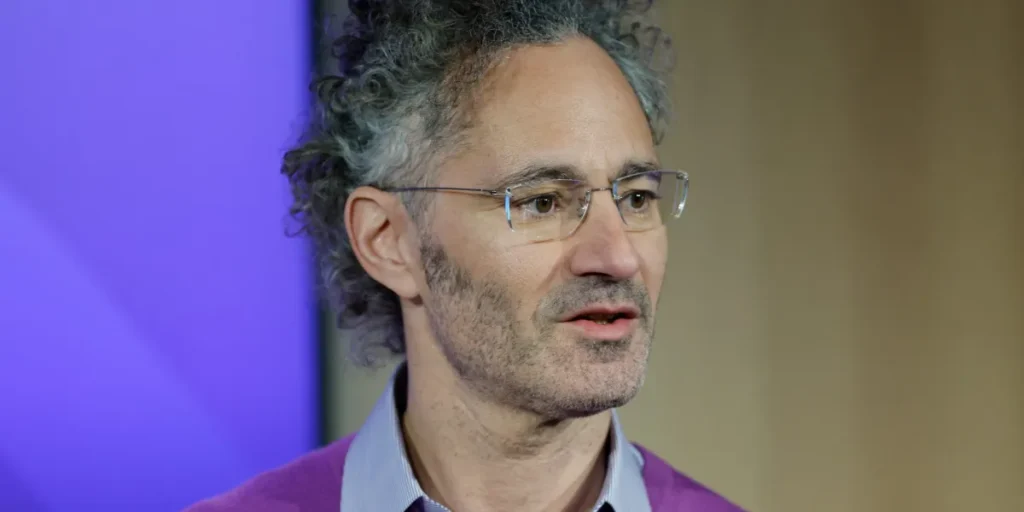
CEO Alex Karp, never one for understatement, described the boom in large language models as a revolution “that will raise ships and sink ships.” He said demand for AIP is “like nothing I’ve ever seen in 20 years of being involved in Palantir.” The company is reorganizing engineering teams and other resources aggressively around AI to meet this demand.
“If you wheel these technologies correctly, safely, and securely,” Karp said during Monday’s analyst call, “you have a weapon that will allow you to win, that will scare your competitors and adversaries.”
That’s a direct quote. Palantir has never been shy about the military applications of its technology, and they’re not starting now.
The civilian angle is also there. Another demo shows a manufacturing company using AIP to prepare for a hurricane — analyzing distribution center operations and deciding whether to accelerate, delay, or cancel orders. It can forecast the impact on customer orders and revenue. An insurance client got early access and described the platform as “years ahead” of other solutions. Within days, they built a collaborative AI agent to automate claims processing.
Karp mentioned conversations with “hundreds” of potential partners, but pricing and terms are still being figured out. That’s an interesting detail — usually you’d have pricing locked down before announcing this kind of demand. It suggests things are moving faster than even Palantir anticipated.
More details are expected at a June 1 event at their former Palo Alto headquarters. I’ll be watching to see what pricing looks like and whether they’ve managed to address the obvious ethical concerns around AI-driven military targeting. Because that’s the elephant in the room nobody on that analyst call wanted to talk about.
Comments (0)
Login Log in to comment.
Be the first to comment!