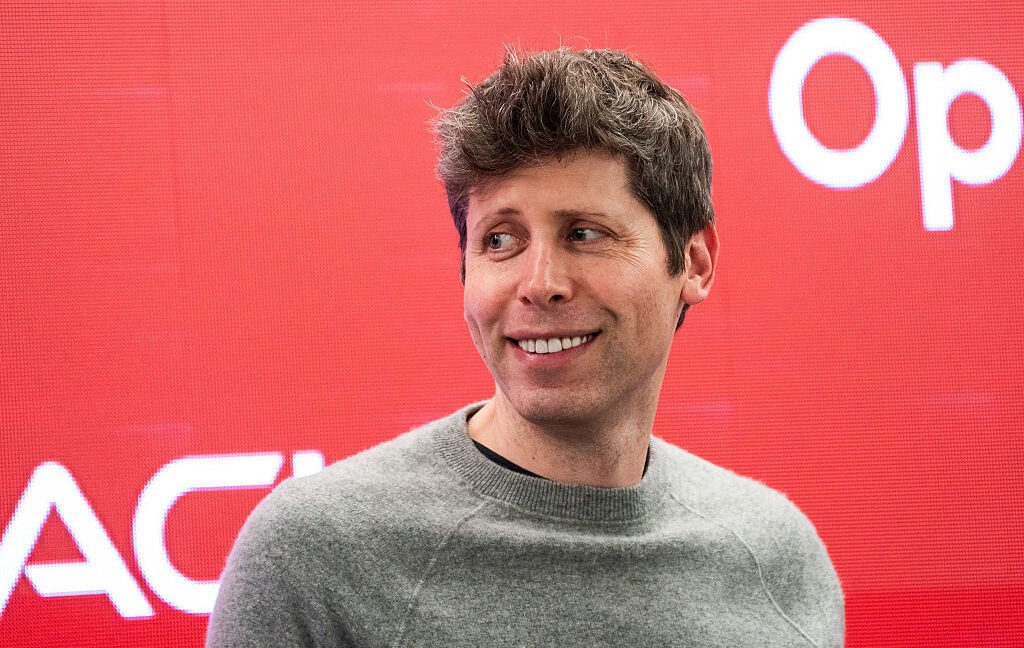

On the same day OpenAI released a polished policy paper about how to keep superintelligence from wrecking civilization, The New Yorker dropped a massive investigation into whether Sam Altman can be trusted to actually follow through on any of it.
Reading these two pieces side by side is a whiplash experience.
OpenAI’s policy paper is full of the usual lofty language. It says the company plans to push for policies that “keep people first” as AI starts “outperforming the smartest humans even when they are assisted by AI.” They vow to remain “clear-eyed” about risks, which apparently includes monitoring for AI systems evading human control or governments using AI to undermine democracy. Without proper mitigation, they warn, “people will be harmed.” The whole thing reads like a promise that OpenAI can be trusted to advocate for a future where superintelligence means a “higher quality of life for all.”
Then you turn to The New Yorker piece and the picture gets ugly fast.
The investigation is framed around a single blunt quote from an insider: “The problem is Sam Altman.” It’s not about technical failures or funding issues. It’s about trust. Multiple current and former employees describe a pattern of Altman making grand public commitments while privately doing the opposite. One source says he has a habit of promising transparency to regulators and then quietly lobbying against the very rules he claimed to support.
This isn’t the first time we’ve heard this story. Altman’s brief ouster from OpenAI in late 2023 was reportedly driven by board members who felt they couldn’t trust him. He came back within days, and the board was restructured. But the underlying concerns never went away. They just went underground.
What’s striking here is the timing. OpenAI clearly wanted the policy paper to dominate the news cycle. It’s a classic PR move: release something aspirational right before a critical story drops, hoping to muddy the narrative. But The New Yorker’s timing suggests they had their own sources feeding them information, and they weren’t going to let a press release get in the way.
The irony is almost too neat. OpenAI’s whole pitch for why we should trust them with superintelligence is that they’re more ethical and transparent than the competition. But if the people working there don’t trust their own CEO, why should anyone else?
There’s a deeper problem here that goes beyond Altman personally. OpenAI’s structure was supposed to prevent this. It was founded as a nonprofit with a capped-profit arm, explicitly designed to ensure that safety and humanity’s interests came before shareholder returns. But that structure has been eroded over time. The nonprofit board was gutted after the Altman drama, and the for-profit side now holds more power. Microsoft’s investment and board seat only add to the perception that commercial interests are driving the bus.
So you have a company that says it wants to save the world from runaway AI, led by a CEO whom insiders don’t trust, operating under a governance model that has already proven fragile. And they want us to believe they’ll be the ones to handle superintelligence responsibly.
I’m not saying Altman is a villain. But trust isn’t built on press releases. It’s built on track records, and that track record is looking increasingly shaky. The New Yorker piece doesn’t prove Altman is malicious. It proves that the people closest to him have serious doubts. That should matter more than any policy paper.
OpenAI’s response so far has been predictable: deny the characterization, point to their safety record, and change the subject. But the question isn’t going away. If you can’t run a company transparently, why should anyone believe you’ll run a superintelligence transparently?
The policy paper is well-written. The intentions sound noble. But intentions are cheap. What matters is whether the person at the top can be trusted to follow through when the pressure is on. And right now, the people who know him best are saying no.
Comments (0)
Login Log in to comment.
Be the first to comment!