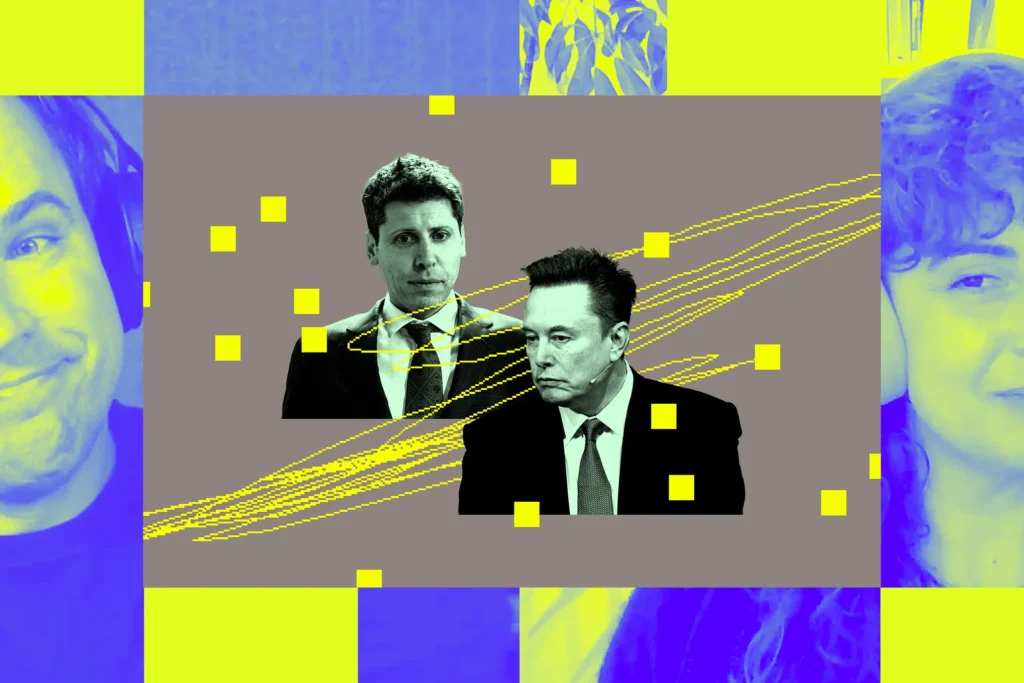

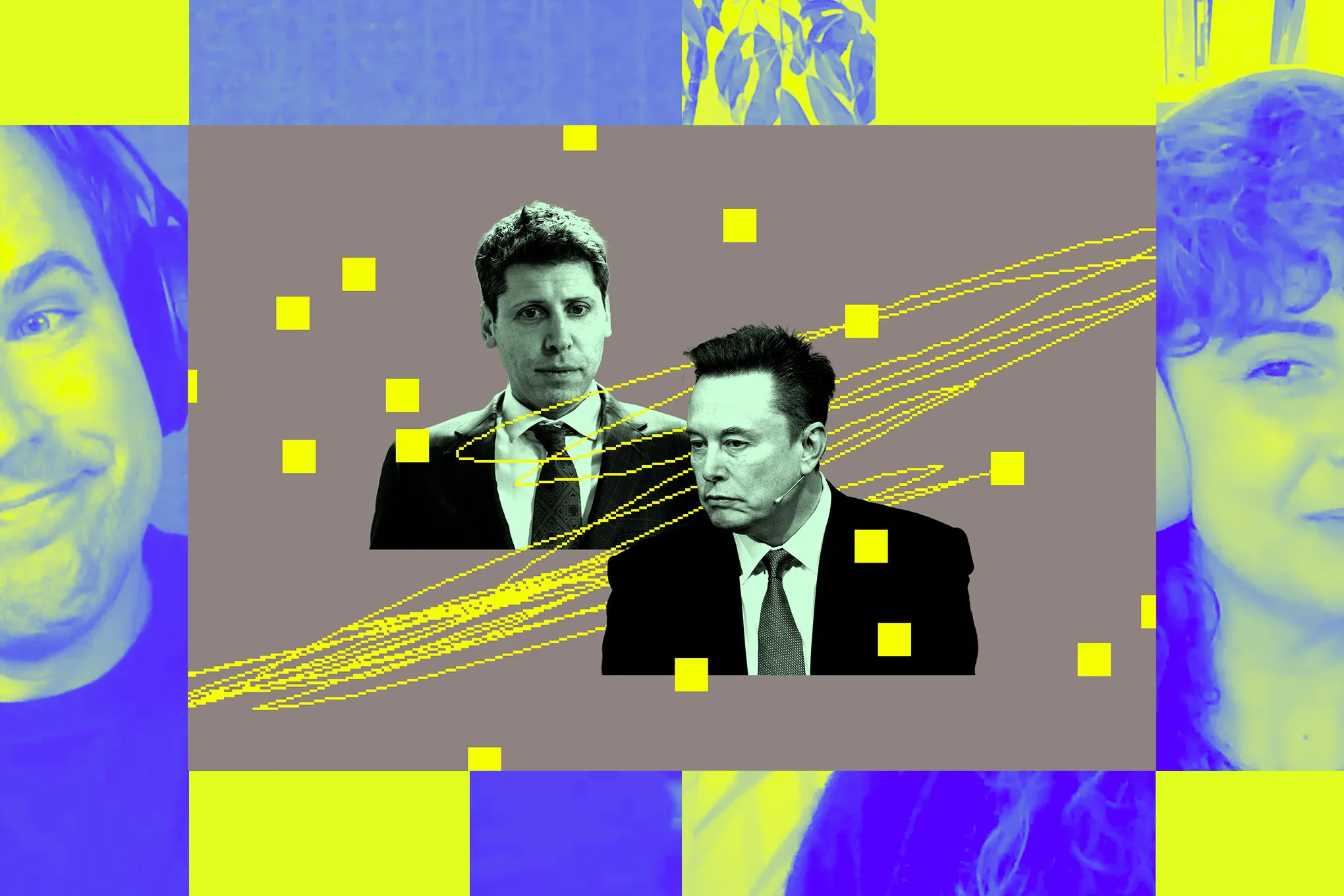
The trial between Elon Musk and OpenAI is officially upon us. And it is going to be a mess.
As the two sides fight over the early days of AI, who deserves credit and cash for what, and more, we’re likely to spend the next few weeks hearing a lot of important people’s secrets made extremely public. Which may be exactly what Musk is going for.
I’ve been watching this case since Musk first filed his lawsuit in early 2024, and it’s been a slow-burn saga of legal filings, counterclaims, and increasingly personal attacks. Now it’s finally in court, and the timing couldn’t be more dramatic—right as OpenAI is pushing deeper into enterprise AI and Musk’s xAI is trying to carve out its own space.
The core of the dispute is pretty straightforward: Musk claims OpenAI abandoned its original nonprofit mission when it partnered with Microsoft and started chasing profits. OpenAI counters that Musk himself wanted to turn it into a for-profit company back in 2018, and that his lawsuit is sour grapes from being shut out.
But the real fireworks will come from the discovery process. We’re talking internal emails, board room recordings, and testimony from people like Sam Altman, Greg Brockman, and Ilya Sutskever. The public is going to get a front-row seat to how the most important AI company in the world was really built.
What makes this trial particularly weird is that both sides have a point. OpenAI did pivot hard from its nonprofit roots, and Musk’s early funding was crucial. But Musk has also been throwing public tantrums about AI safety while building his own competing model. It’s hard to take either side’s moral posturing seriously.
The Verge’s Liz Lopatto, who has been covering this case from the start, joined the Vergecast to break down the origins, the key players, and why this trial matters beyond just the courtroom drama. If you’re a subscriber, you can listen ad-free wherever you get your podcasts. Not a subscriber? You can sign up here.
What I’m most interested in is how this trial will shape public perception of AI development. If Musk succeeds in painting OpenAI as a greedy corporation that sold out its ideals, it could fuel a narrative that all AI companies are untrustworthy. If OpenAI wins, it validates the “move fast and break things” approach that has dominated Silicon Valley for decades.
Either way, we’re in for a few weeks of ugly revelations, embarrassing memos, and probably some truly bizarre courtroom moments. Buckle up.
Comments (0)
Login Log in to comment.
Be the first to comment!