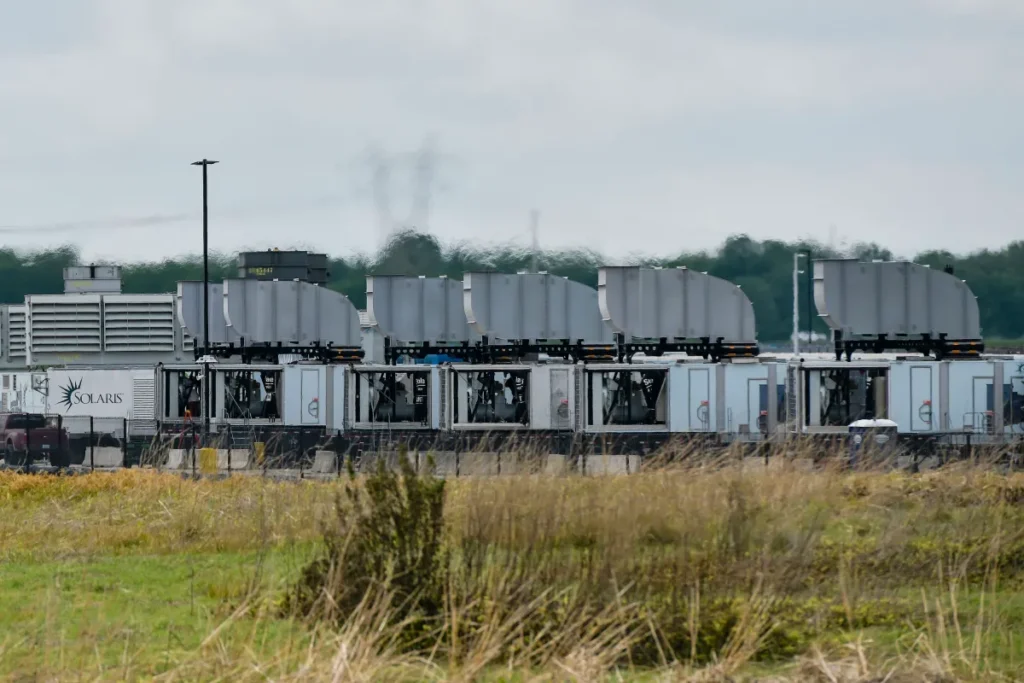

Maine’s governor, Janet Mills, just vetoed a bill that would have been the first statewide moratorium on new data centers in the US. LD 307, as it was called, aimed to freeze approvals for any new data center construction until November 1, 2027. That’s a pretty aggressive pause — two and a half years — and it would have set a precedent other states might have followed.
I’ve seen a lot of local moratoriums pop up over the years, usually in places where data centers suddenly show up and strain the grid or water supply. But a statewide ban? That’s new. And frankly, it reflects how much the conversation around data centers has shifted. They’re no longer just invisible infrastructure — they’re becoming a political hot button.
Mills’ reasoning, according to the veto statement, was that a blanket moratorium would hurt economic development and send the wrong signal to tech companies looking to invest in Maine. She’s not wrong. Data centers bring jobs, tax revenue, and often anchor broader tech ecosystems. But the other side of that coin is real: these facilities are power hogs, they guzzle water for cooling, and they don’t always hire local in proportion to their size.
What’s interesting is that the bill had bipartisan support in the legislature. That tells me the concern isn’t just from environmentalists — it’s from locals who’ve watched their electricity rates creep up and their water tables drop. I’ve heard similar complaints in Virginia and Oregon, but those were handled at the county level. Maine was trying to go big.
Mills didn’t just say no, though. She also directed state agencies to study the impacts of data centers more thoroughly and come back with recommendations. That’s the sensible middle ground. A moratorium is a blunt instrument. A study with teeth — especially one that leads to zoning or efficiency standards — could actually solve the problem without scaring off investment.
I’d bet other states are watching this closely. If Maine had passed the moratorium, you’d see copycat bills in Vermont, New Hampshire, maybe even Oregon. Now the template is different: study first, regulate later. That’s less dramatic, but probably more effective.
One thing that bugs me about the coverage is how often data centers are framed as purely evil or purely good. They’re neither. They’re heavy industrial infrastructure that happens to be clean and quiet. The real issue is that local governments are still figuring out how to tax them, how to manage their power demands, and how to force them to contribute to the community beyond just showing up.
Mills’ veto buys time for that figuring-out process. But the clock is ticking. Data center demand isn’t slowing down — AI training alone is driving a construction boom. If Maine doesn’t have a clear policy in place by 2027, the same debate will come roaring back. And next time, the moratorium might stick.
Comments (0)
Login Log in to comment.
Be the first to comment!