
It’s been almost three years since Silicon Valley started force-feeding us ChatGPT and its clones as the inevitable future of everything. And if you’ve been paying attention, you’ve noticed one group has been feeling the pressure more than anyone: Gen Z.
On the surface, the numbers look exactly like what OpenAI and Google want you to believe. Young people are among the heaviest users of AI chatbot tools. They’re the ones prompting, generating, and iterating—often because schools and entry-level jobs now quietly expect it. But here’s where the narrative gets interesting: polling data shows that same demographic is also leading the cultural backlash against AI.
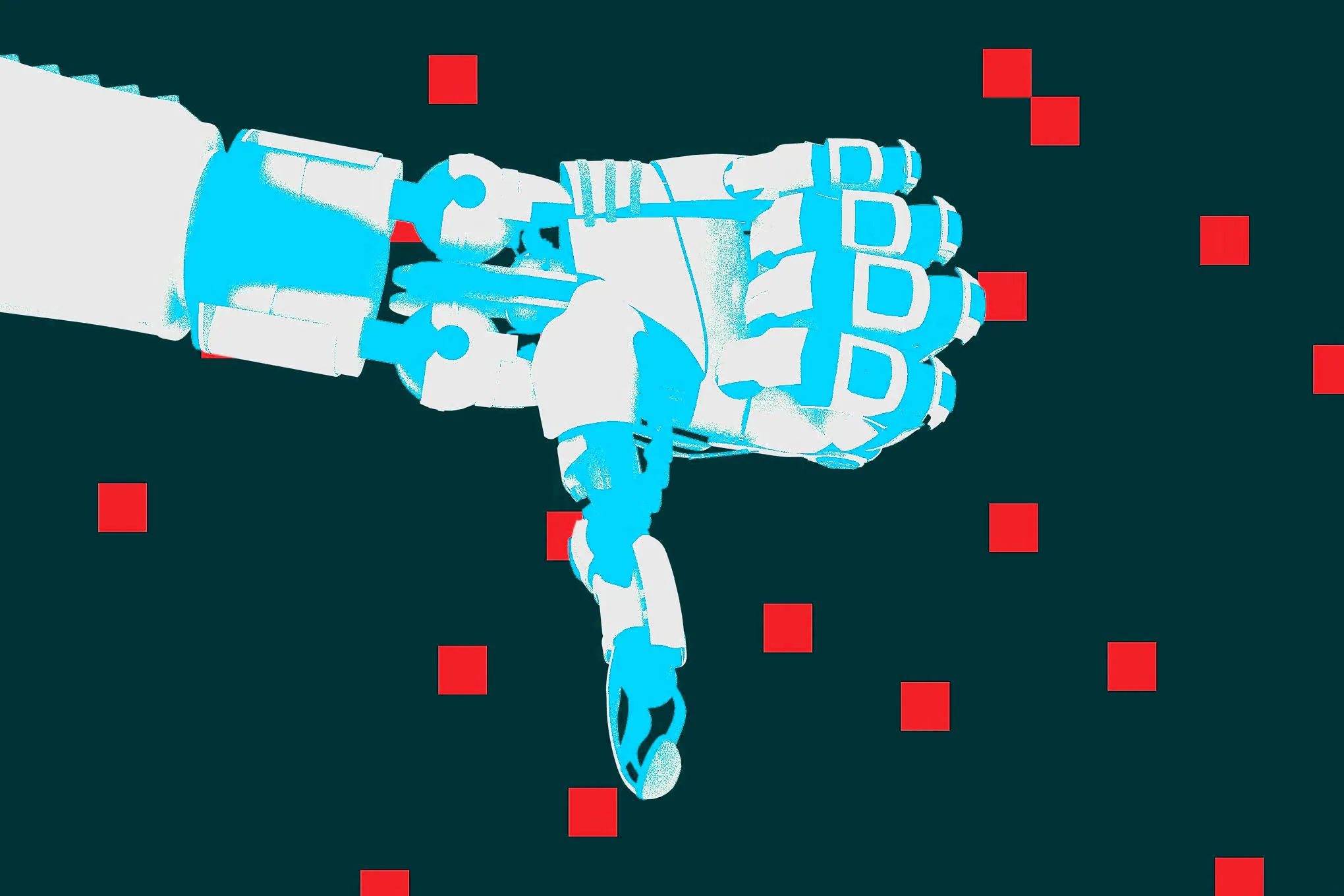
This isn’t some fringe sentiment. We’re talking about vast swaths of Gen Z students and workers who are deeply acrimonious about these tools even as they rely on them daily. The contradiction is real, and it’s not hard to understand why.
Think about it from their perspective. They grew up hearing tech utopian promises, only to watch social media hollow out their attention spans and gig economy apps turn their side hustles into algorithmic traps. Now here comes AI, pitched as a productivity savior, but landing more like a cheating accusation from a professor who can’t prove it. They’re using it because they have to—but they resent being forced into it.
I’ve seen this play out in smaller circles for a while. A friend who teaches at a university told me last year that half her students admitted to using ChatGPT for assignments, but almost all of them complained about how it made their work feel hollow. They wanted to write, but the pressure to optimize for speed and grades made the tool feel mandatory. That’s not adoption driven by love; it’s adoption driven by a system that penalizes anyone who opts out.
The polling data backs this up. Usage rates among 18-to-24-year-olds are higher than any other age bracket, but satisfaction scores are lower. Trust in AI companies? Abysmal. The same generation that grew up with data breaches and algorithmic radicalization sees this as more of the same—just with a friendlier interface.
Tech companies love to frame this as a “learning curve” problem. Give them time, they’ll come around. But I’m not buying it. Gen Z isn’t confused about what AI does; they’re clear-eyed about what it costs. They see the environmental toll of training these models, the labor exploitation behind content moderation, and the way AI tools flatten creativity into template-filling. And they’re using it anyway because the alternative—falling behind in school or work—isn’t really an alternative.
What’s interesting is how this tension might reshape the market. If the biggest users are also the biggest critics, you can’t just keep cranking out faster, bigger models and expect loyalty. The companies that figure out how to build tools that actually serve users instead of exploiting them might win long-term. But that requires admitting the current approach has real downsides, which Silicon Valley has shown zero appetite for.
For now, Gen Z is stuck in a strange loop: using a technology they don’t trust, built by companies they resent, because the system they inherited demands it. That’s not a love story. It’s a hostage situation, and the polling numbers are just the ransom note.
Comments (0)
Login Log in to comment.
Be the first to comment!