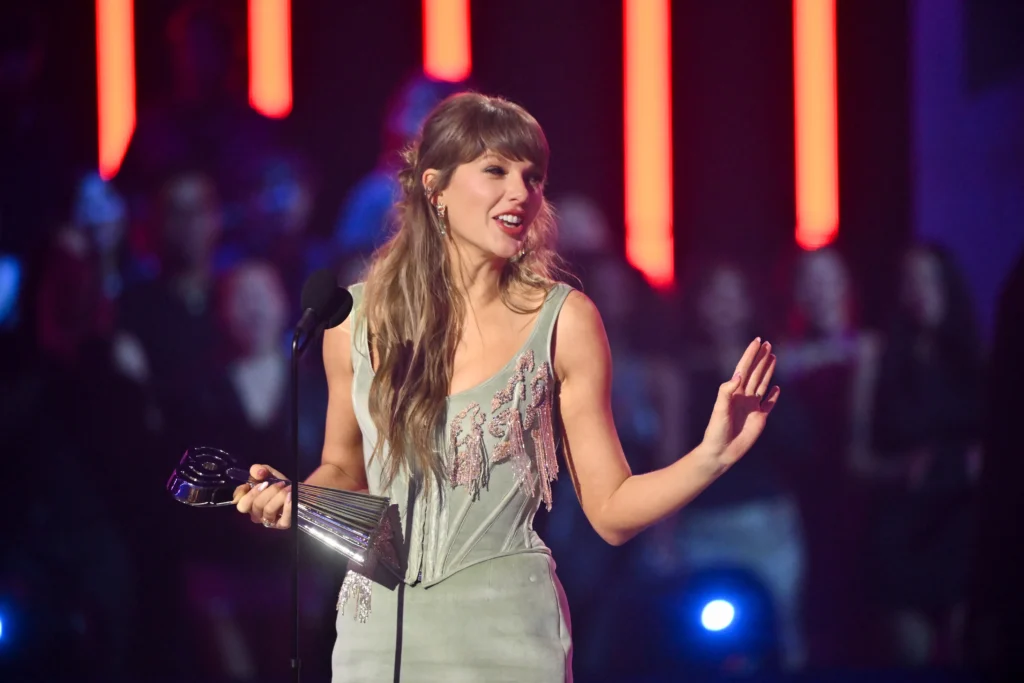

If you’ve scrolled TikTok recently and saw Taylor Swift or Rihanna talking about some rewards program that pays you for watching videos, don’t click. It’s a deepfake, and it’s probably trying to steal your info.
Authentication company Copyleaks just published a report on this, and honestly, the examples they show are disturbingly good. The scammers aren’t just slapping celebrity faces onto random bodies — they’re manipulating real interview footage from red carpets, podcasts, and talk shows. The AI avatars look natural, move realistically, and speak with convincing lip-sync.
The pitch is always the same: a rewards program that claims you can earn money by watching TikTok content and giving feedback. Some of these ads even include TikTok’s official branding, which makes them look legit at first glance. But click through, and you’re redirected to third-party services that ask for personal information. Classic phishing funnel, just with a shiny new AI wrapper.
What caught my attention is how these scams are evolving. We’ve seen celebrity deepfakes used for everything from fake endorsements to political propaganda, but this feels more insidious. It’s not just a static image or a poorly dubbed video — these are real-time, interactive-looking avatars that could fool anyone who isn’t paying close attention. And since TikTok’s algorithm pushes engaging content, these ads can spread fast before being flagged.
Copyleaks didn’t name specific accounts or ad campaigns, but the pattern is clear. The scammers are piggybacking on the trust people have in celebrities and in TikTok’s platform itself. If you see Taylor Swift telling you to sign up for something, your brain doesn’t immediately go to “this is a deepfake.” It goes to “oh, she’s doing a sponsorship.” That’s the hook.
I’ve been saying for a while that deepfake detection is going to become a critical skill for average internet users, not just security professionals. This is exactly why. The technology is good enough now that even tech-savvy people can be fooled in the right context. And the platforms? They’re playing catch-up, as usual.
TikTok has content moderation policies against synthetic media, but enforcement is inconsistent. By the time a deepfake ad gets taken down, it’s already been seen by thousands, maybe millions of people. The scam doesn’t need to run for long to be profitable.
For now, the best defense is skepticism. If a celebrity is offering you free money or a too-good-to-be-true rewards program, it’s almost certainly fake. Check the account that posted it — is it verified? Does it have a history of legitimate content? And never, ever hand over personal information to a third-party site you reached through an ad.
This is higher than I expected in terms of sophistication. The deepfakes I’ve seen from just a year ago were easier to spot — weird lighting, jerky movements, mismatched audio. These new ones are smoother. Scammers are getting better tools, and they’re getting smarter about how they deploy them. Social engineering plus AI is a nasty combination.
Copyleaks is right to call this out, but I’d like to see more proactive action from TikTok. They have the data and the resources to detect these patterns before they go viral. Waiting for users to report them isn’t enough anymore.
Comments (0)
Login Log in to comment.
Be the first to comment!