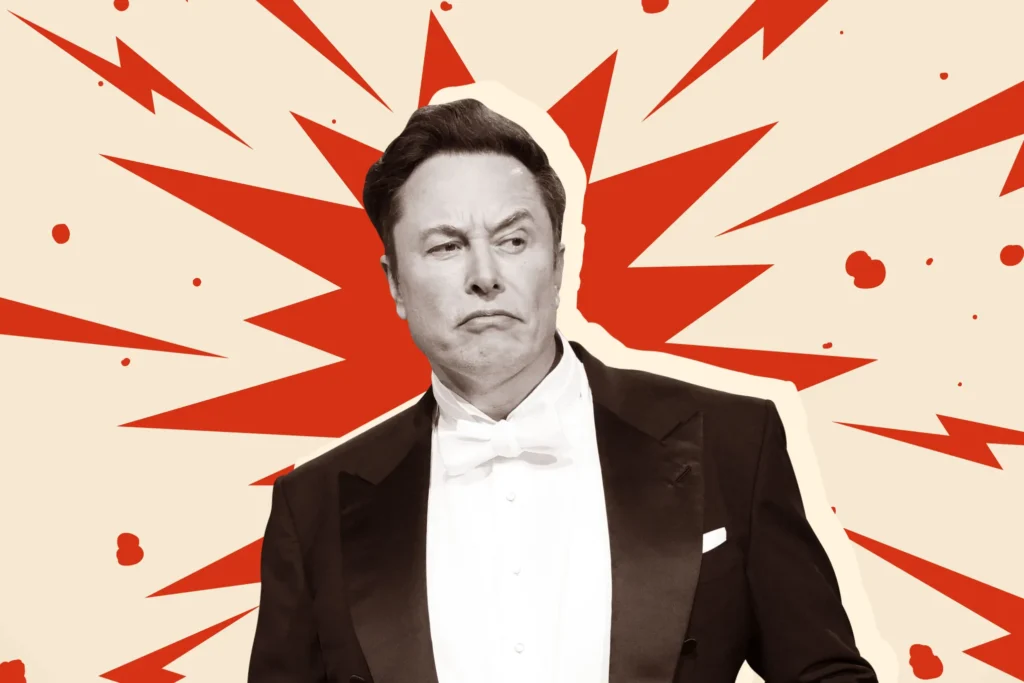

Elon Musk finally sat down in court to testify in the case he’s been pushing against OpenAI for years. The target? Sam Altman and Greg Brockman — his former co-founders. The three were the original nucleus of OpenAI back when it was still a nonprofit with big ideals. Musk put in up to $38 million of his own money early on. Then things went sideways.
The core disagreement, as it’s been told many times, was over the structure and mission of the company. Musk wanted OpenAI folded into Tesla. Altman and Brockman didn’t. Musk walked. Years later, he founded xAI — a direct competitor that’s now technically owned by SpaceX. So the guy suing OpenAI for straying from its nonprofit roots is now running a for-profit AI company under another one of his entities. The irony isn’t lost on anyone watching.
This isn’t Musk’s first swing. He’s filed at least four separate lawsuits against OpenAI over the years, most of which have been dismissed or withdrawn. This one seems to be sticking, at least long enough for him to get on the stand and make his case. The trial is about whether OpenAI violated its original founding agreements by pivoting to a for-profit model and by allegedly keeping key technology developments from Musk after he left.
I’ve been following this saga since the early days, and what strikes me is how much of it reads like a messy startup breakup rather than a principled legal dispute. Musk’s early investment wasn’t a loan or a grant — it was seed money from a guy who wanted a say. When he didn’t get it, he left and built his own thing. Now he wants the courts to say OpenAI owes him something for the path not taken.
Altman and Brockman’s legal team will likely argue that Musk walked away voluntarily, that OpenAI’s pivot was necessary to compete with big tech, and that Musk’s own xAI proves he’s not exactly a nonprofit purist either. The judge will have to sort out whether the original agreements had any teeth when it comes to forcing a company to stay nonprofit forever.
What’s interesting is the timing. This trial is happening while the AI industry is under intense scrutiny from regulators worldwide. OpenAI is the poster child for both the promise and the peril of generative AI. A ruling against them could set a precedent for how AI companies can evolve their business models. A ruling for them could embolden others to follow the same playbook.
Musk’s testimony will be the centerpiece. He’s not exactly a calm, predictable witness. He rambles, he pivots, he gets combative. That could help him if he comes across as passionate and wronged. It could hurt him if he seems erratic or unable to stick to the facts. The jury — assuming it gets that far — will have to weigh his credibility against the paper trail.
I’m not sure Musk wins this one. The burden of proof is on him, and OpenAI has deep pockets and a compelling narrative: they started as a nonprofit, realized they needed capital to compete, and restructured in a way that still benefits humanity. Musk’s counter-narrative — that he was pushed out and his vision was betrayed — feels more like a personal grievance than a legal violation.
But courts have surprised me before. And Musk has a way of bending reality to his will. We’ll see how it plays out.
Comments (0)
Login Log in to comment.
Be the first to comment!