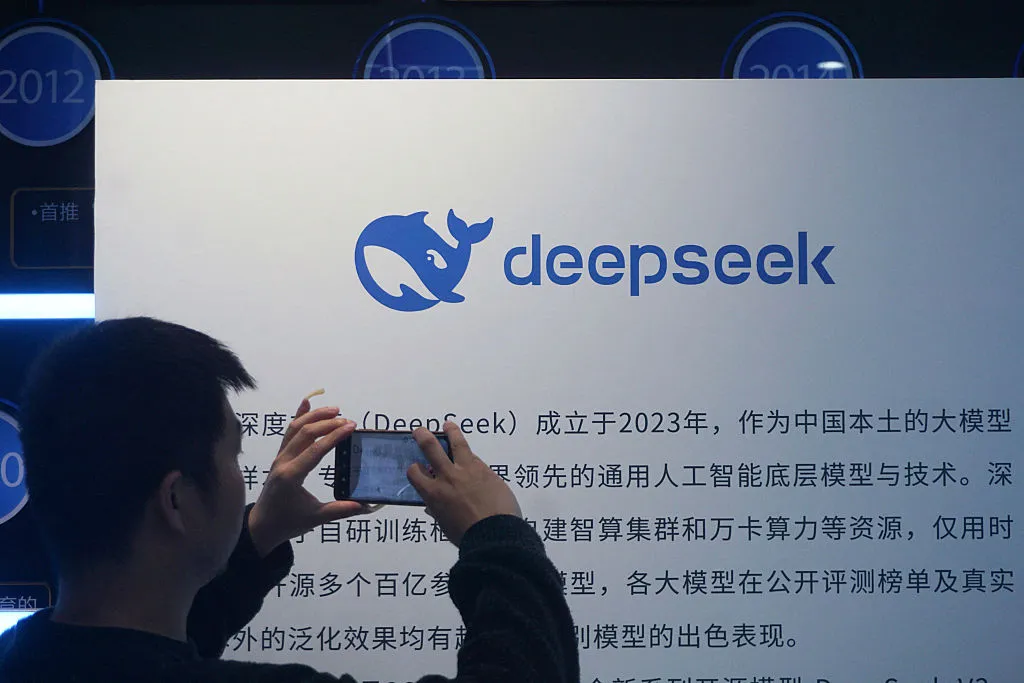

DeepSeek just dropped a preview of two new models, and they’re not messing around. The company claims these things are more efficient and performant than their previous V3.2, and that they’ve almost “closed the gap” with the current frontier models—both open and closed—on reasoning benchmarks.
That’s a bold statement, but honestly, I’ve been watching DeepSeek’s trajectory for a while now, and they’ve got a track record of underpromising and overdelivering. Their V3.2 was already competitive, especially for an open-weight model. These new ones are supposedly built on architectural improvements rather than just throwing more compute at the problem, which is refreshing in an era where everyone seems to think “bigger = better.”
I’m particularly curious about what those architectural changes actually are. DeepSeek hasn’t gone into full detail yet—typical preview behavior—but the implication is that they’ve found some clever optimizations in the attention mechanism or the feed-forward layers. If that’s the case, it’s a sign that the field is maturing beyond brute force scaling.
The benchmarks they’re citing aren’t trivial either. We’re talking about reasoning tasks where the gap between open models and proprietary ones like GPT-4 or Claude has been shrinking, but still noticeable. If DeepSeek has genuinely narrowed that gap to within a few percentage points, that’s a big deal for anyone who cares about running capable models locally or without paying API fees.
Of course, previews are previews. We’ll need to see independent evaluations and real-world usage before popping champagne. But the trend is clear: the days when frontier models were exclusively locked behind corporate APIs are numbered. DeepSeek is pushing hard, and that’s good for everyone who believes in open AI.
I’ll be keeping an eye on the full release. If these models deliver even 90% of what the preview suggests, we’re in for a treat.
Comments (0)
Login Log in to comment.
Be the first to comment!