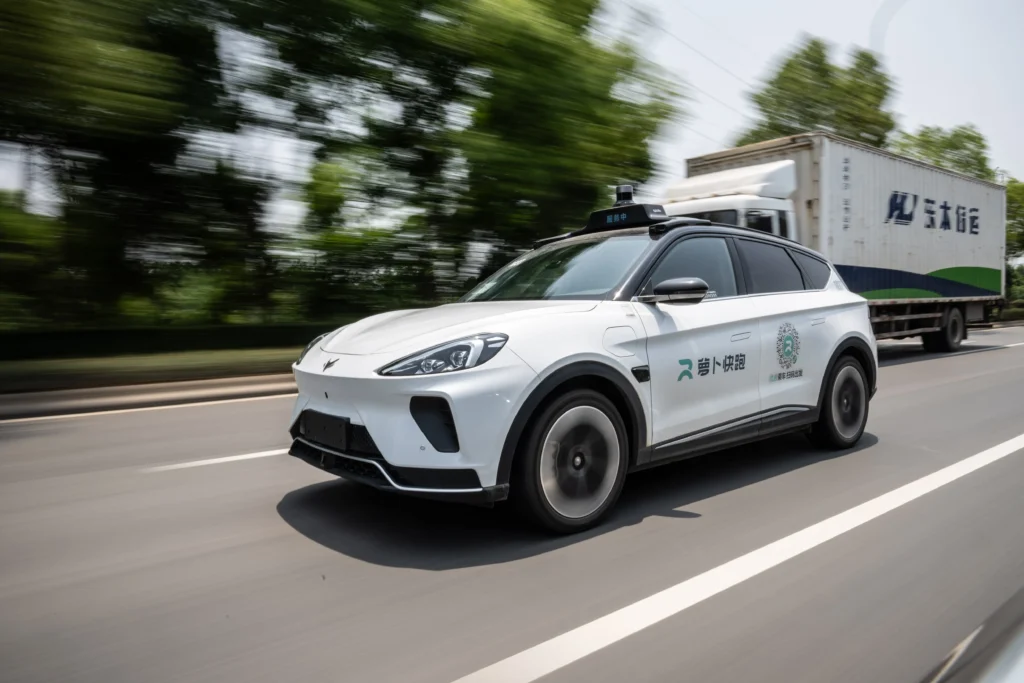

China has pulled the plug on new licenses for autonomous vehicles, according to a Bloomberg report citing unnamed sources. The freeze comes hot on the heels of a rather embarrassing incident last month in Wuhan, where dozens of Baidu’s Apollo Go robotaxis just… stopped. In traffic. Creating the kind of gridlock that makes you miss human drivers.
Here’s the kicker: the restrictions aren’t just a slap on the wrist. They prevent companies from adding new driverless cars to their fleets, expanding into new cities, or even starting fresh test projects. No timeline on when officials will start handing out licenses again. So if you were hoping to see a robotaxi in your neighborhood soon, don’t hold your breath.
Bloomberg says the Wuhan chaos spooked authorities in Beijing enough that they’re now urging local governments to take a hard look at the sector. Translation: regulators are scared this could happen again, and they want to avoid another PR disaster. I get it — one traffic jam is bad, but a national pattern of stalled robotaxis would be a nightmare for a government pushing smart city tech.
What’s interesting here is the timing. China has been aggressively promoting autonomous driving as a key piece of its tech ambitions. Baidu, in particular, has been the poster child for this push, with Apollo Go operating in multiple cities. But this freeze suggests that even the most ambitious plans can hit a pothole when real-world operations go sideways.
I’ve seen this play out before — regulators react to a high-profile failure, overcorrect, and then slowly ease up once the industry proves it can behave. The question is how long this pause lasts. If it’s a few months, it’s a speed bump. If it drags on for a year or more, it could seriously slow down China’s lead in autonomous driving.
For now, the message is clear: driverless cars are cool until they’re not. And when they cause a traffic jam in a major city, the government will slam the brakes hard.
Comments (0)
Login Log in to comment.
Be the first to comment!