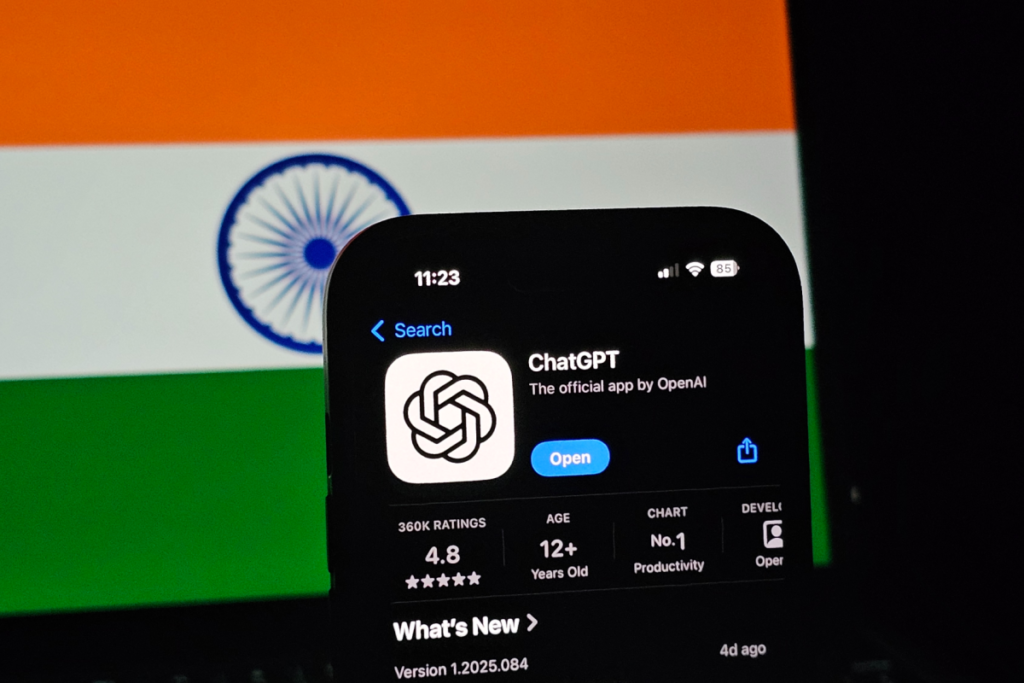

OpenAI dropped ChatGPT Images 2.0 a few weeks back, and if you check the usage stats, you’d think the feature is a runaway success. But dig into the numbers, and a weird pattern emerges: India is absolutely eating this thing up, while most other markets are giving it a polite shrug.
I’ve been watching the chatter across Twitter, Reddit, and local forums, and the contrast is stark. In India, people are cranking out avatars, cinematic portraits, and even wedding invitations. The feature has become a go-to for personal branding — think LinkedIn profile pics that look like they were shot by a pro photographer, or Instagram stories that scream “I’m creative.” It’s not just techies either; my cousin in Mumbai, who barely knows what an API is, has been sending me AI-generated family photos. The adoption feels organic, almost viral.
But outside India? The response has been more like a polite nod. Usage in the US and Europe is growing, sure, but nothing like the explosion in India. I’ve seen some folks complain about the quality — “it’s too cartoonish” or “the hands are still messed up” — which feels odd given how much love it’s getting in India. Maybe the expectations are different, or maybe the use cases just don’t resonate as strongly.
One theory I keep hearing: India’s massive mobile-first population, combined with a cultural love for visual self-expression, makes this a perfect storm. People here are used to apps like Canva and PicsArt, so generating custom visuals with AI feels like a natural next step. Plus, the pricing is competitive — ChatGPT’s free tier gives you a decent number of generations, which goes a long way in a price-sensitive market.
Meanwhile, in the West, the competition is fierce. Midjourney, DALL-E 3, and Adobe Firefly have already carved out their niches. ChatGPT Images 2.0 isn’t bad — actually, I’d say it’s surprisingly good for portraits and stylized art — but it’s not a clear winner. The integration with ChatGPT’s chat interface is neat, but it’s not enough to make people switch if they’re already happy with their current tool.
There’s also the cultural angle. In India, using AI for personal visuals is seen as clever and resourceful. In the US, I’ve noticed more skepticism — people worry about deepfakes, privacy, or just think it’s a gimmick. The same feature, two very different reactions.
OpenAI hasn’t commented on the regional disparity, but I suspect they’re watching closely. If they can figure out what’s working in India and replicate it elsewhere — maybe better localization, more templates, or even price adjustments — they could turn this into a global hit. But for now, it’s a fascinating case study in how AI adoption isn’t uniform. It’s shaped by culture, economics, and what people actually want to do with the tech.
I’m curious to see how this plays out. If you’re outside India and haven’t tried ChatGPT Images 2.0 yet, give it a shot — especially for portraits. You might be surprised. Just don’t expect the same frenzy you’re seeing in Indian Twitter.
Comments (0)
Login Log in to comment.
Be the first to comment!