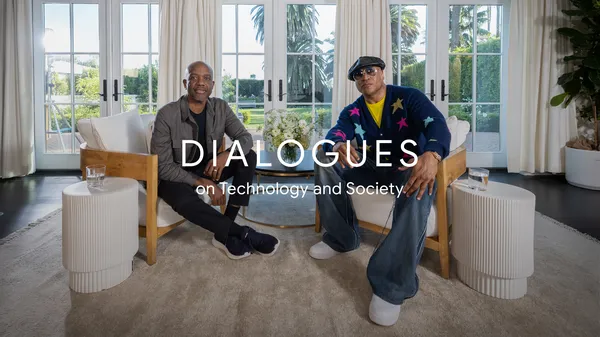

Google’s Dialogues on Technology and Society series just dropped a genuinely interesting episode. Not the usual tech exec monologue about “democratizing creativity” or whatever. Instead, James Manyika sits down with LL COOL J, and they actually talk about what AI means for people who make things.
LL COOL J has been in the game long enough to have seen every technological shift in music, from drum machines to streaming to generative models. So when he asks questions about AI, they’re not theoretical. He wants to know how this stuff changes the process, not just the product.
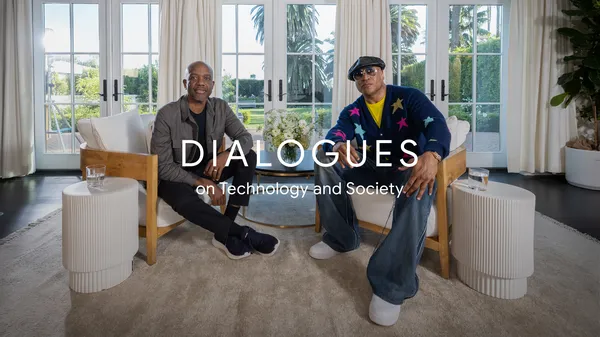
Manyika, who runs Google’s technology and society work, didn’t dodge the hard parts. They got into the tension between AI as a tool and AI as a replacement. LL COOL J pushed back on the idea that algorithms can replicate the raw human experience that makes art resonate. Fair point. I’ve seen too many demos where AI generates something technically impressive but emotionally hollow.
What I liked is that they didn’t pretend AI is magic or evil. It’s a collaborator, but only if you know what you’re doing. LL COOL J talked about how even the best AI needs a human who understands structure, rhythm, and intent. Otherwise you just get noise.
Manyika made a smart observation: creativity isn’t just about output. It’s about the choices you make along the way. AI can generate a thousand variations, but picking the right one still requires taste, context, and a point of view. That’s not something you can automate, at least not yet.
The conversation also touched on access. LL COOL J pointed out that if AI tools are only in the hands of big studios or tech companies, that’s a problem. Real innovation in music has always come from the margins, from people who couldn’t afford the fancy gear but figured out workarounds. If AI becomes another barrier instead of a bridge, we lose something.
Neither of them had a clean answer for that. Which is honest. The whole thing felt more like two people thinking out loud than a polished corporate product. No forced optimism, no doom-mongering. Just a real discussion about how a powerful technology intersects with something as fundamentally human as making music.
If you’ve been rolling your eyes at the usual AI-and-creativity hot takes, this one’s worth your time. It’s short, it’s direct, and it doesn’t pretend to have all the answers.
Comments (0)
Login Log in to comment.
Be the first to comment!