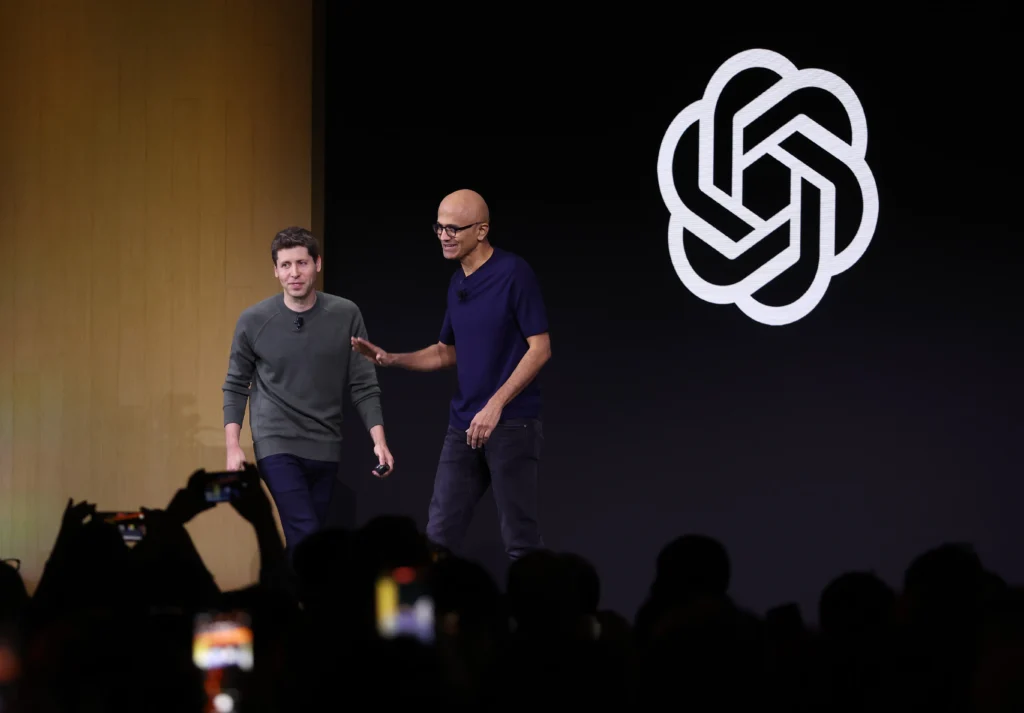

Microsoft and OpenAI have had one of the weirdest relationships in tech. It started as a cozy partnership, devolved into what I can only describe as a corporate situationship, and I’ve been waiting for the inevitable messy breakup for years. There were executive spats, contract renegotiations that leaked to the press, and constant grumbling about who pays for what compute. It felt like watching two people who clearly shouldn’t be together keep posting couple photos on Instagram.
Then this week, they actually split. And against all my expectations, it wasn’t a bloodbath.
On Monday, Microsoft quietly announced the updated terms of its OpenAI deal. The headline change: OpenAI can now offer its products and services through any cloud provider, not just Azure. That’s a massive shift from the original arrangement, where Microsoft held exclusive rights to host OpenAI’s workloads. A day later, OpenAI followed up with its own statement, and the whole thing had the tone of two exes issuing a joint press release about how they’re still friends.
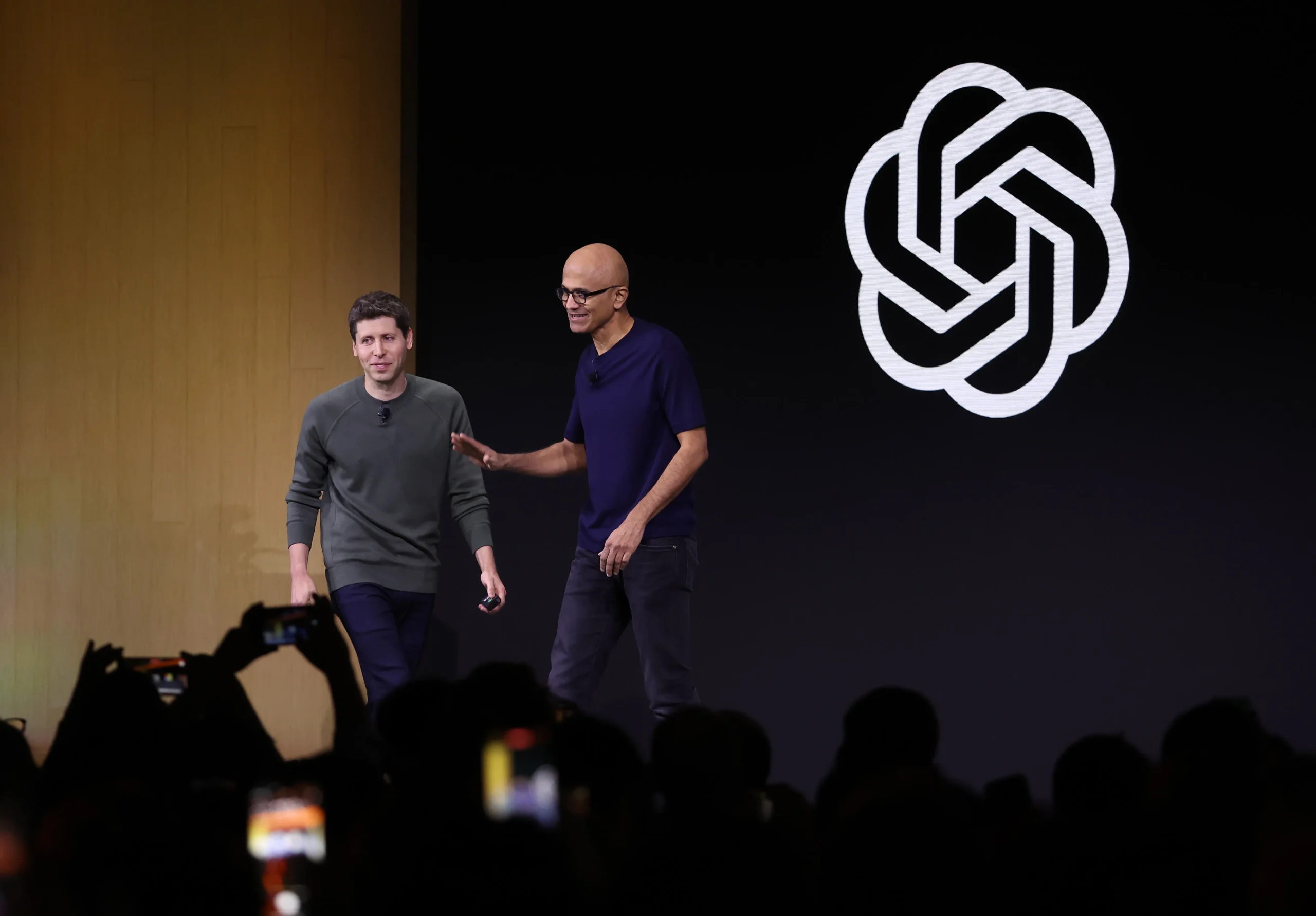
Let’s be real: this was inevitable. OpenAI has been chafing under the Azure exclusivity for at least a year. They want to run their own infrastructure, partner with other clouds, and not be held hostage by a single vendor’s capacity constraints. Microsoft, for its part, has been pouring billions into OpenAI’s compute needs and getting increasingly nervous about the ROI. The tension was palpable.
What I find interesting is how cleanly they managed to untangle things. Usually, these mega-deals end with lawsuits or at least some passive-aggressive blog posts. Here, both sides are framing it as a natural evolution. Microsoft gets to keep its investment and access to OpenAI’s models for its own products, while OpenAI gets the freedom to sell access anywhere. It’s a win-win, if you believe in that sort of thing.
But the real story here isn’t the divorce itself. It’s what it signals about the AI infrastructure market. For years, the narrative has been that any serious AI company needs to pick a cloud partner and lock in. Microsoft and OpenAI were the poster children for that model. Now that they’ve broken it open, every startup and enterprise AI lab is going to rethink their own exclusivity deals. The hyperscalers are going to have to compete harder on price and performance, not just on who can write the biggest check.
I also can’t help but wonder about the timing. This comes right as OpenAI is reportedly raising another massive round at a valuation that defies gravity. Cutting ties with Microsoft’s cloud monopoly makes them look more independent and more attractive to investors who were worried about vendor lock-in. Smart move, even if it feels like a breakup.
Of course, not everyone is celebrating. Some analysts are already pointing out that OpenAI still relies heavily on Microsoft for compute, even if the exclusivity is gone. And Microsoft still holds a significant equity stake. So maybe this is less a divorce and more an open marriage. We’ll see how long the good vibes last.
For now, though, I’m just relieved the whole thing didn’t turn into a public spectacle. The AI industry has enough drama without a messy cloud custody battle. Let’s hope this sets a precedent for how these partnerships can evolve without burning everything down.
Comments (0)
Login Log in to comment.
Be the first to comment!